Quantification
Western blot
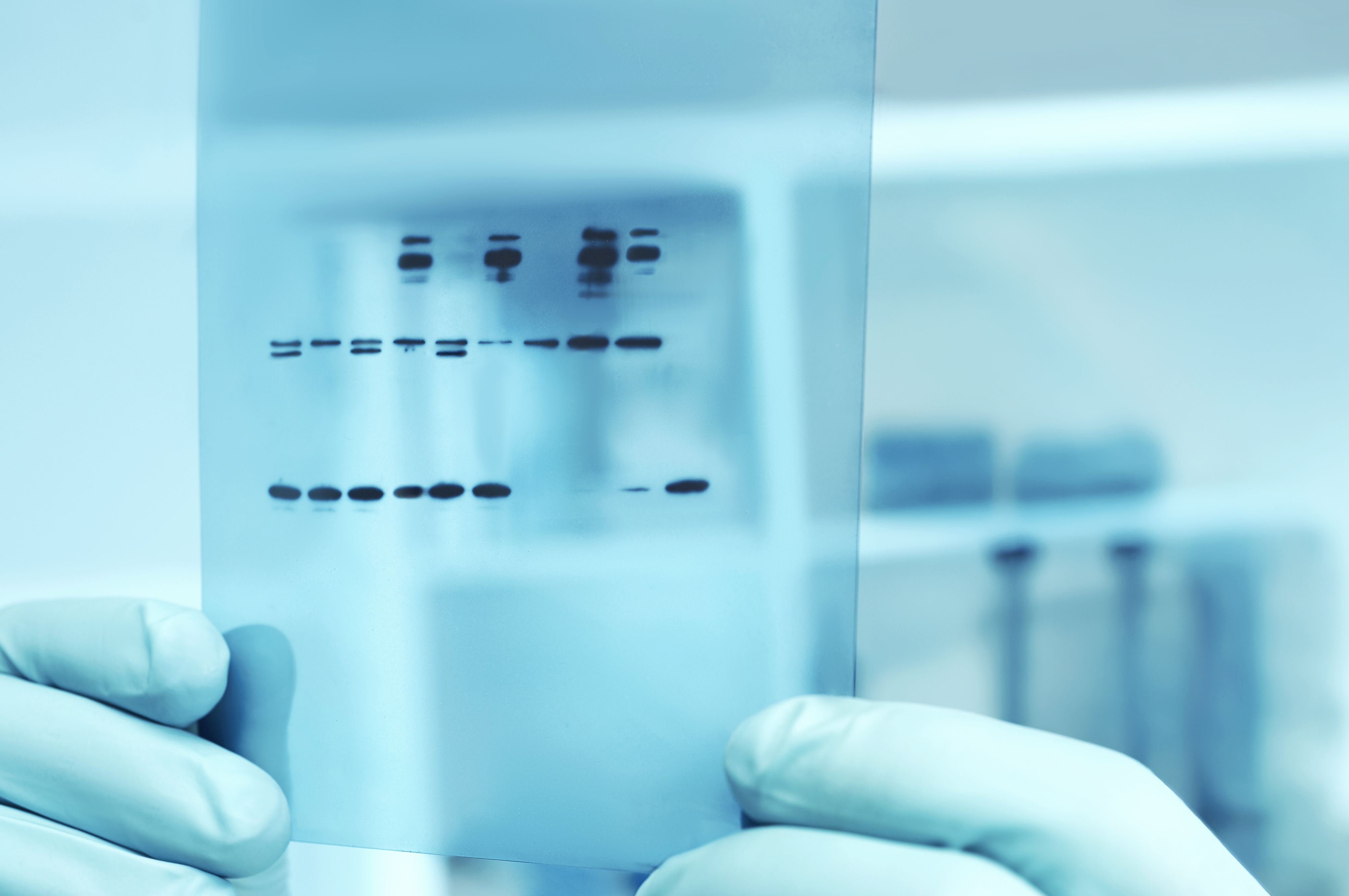
Western Blot Imaging Systems: The Complete Guide to Detection and Quantification in 2026 Western blot quantification is the most commonly required technique that determines whether protein expression and protein expression levels studies stand up to peer review. Quantitative Western blotting now sits at the intersection of imaging hardware, antibody chemistry, and rigorous data analysis. The signal you record on the blot is meant to reflect a real biological quantity, and any error in detection, calibration, or analysis propagates directly into the publishable conclusion. Yet most of the troubleshooting calls we get from research labs come back tof the same root causes: saturated detectors, inadequate dynamic range, and normalization decisions made after the fact rather than at the experimental design stage.
This guide covers the modern Western blot workflow as it stands in 2026, with a focus on quantitative analysis, precise measurement, and reliable and reproducible results rather than visual signal intensity. We also revisit how protein abundance can be measured accurately and the practical limits of obtaining accurate quantitative measurements from a single blot. We walk through the two main detection methods and detection chains (chemiluminescence and fluorescence) used to image proteins, the technical criteria that separate a publishable Western blot imaging system from one that produces visually appealing but quantitatively unreliable data, and the practical decisions that make or break a quantitative experiment.
Tristan Fromager
19 min read
June 18, 2026